Designing a restaurant that works
Restaurant interior design is much more intricate than just selecting colours and arranging furniture. In hospitality, every choice must cater to two groups: the diners and the staff. The most memorable New Zealand eateries find a harmony between aesthetics, functionality, and ambience.
The foundation of good hospitality design
A restaurant should always look welcoming and reflect its brand personality, but its design must also withstand long hours, high turnover, and heavy use. Surfaces need to be durable, lighting should support both the atmosphere and operational needs, and layouts must allow staff to move quickly and safely. Meanwhile, stylish, comfortable seating should visually anchor the dining space.
The bar is often a focal point that sets the tone for the entire space. But what guests don’t see is the technical intention behind it. Every shelf, angle, and surface has a purpose in a bar area. I like to explain to my clients that the essence of effective restaurant design is creating beauty with a hard-working backbone.

The bar is often a focal point that sets the tone for the entire space. But what guests don’t see is the technical intention behind it. Every shelf, angle, and surface has a purpose in a bar area. I like to explain to my clients that the essence of effective restaurant design is creating beauty with a hard-working backbone.
The technical challenges of restaurant design
Designing restaurants is one of the most technically demanding areas of interior design. Every choice must consider:
Compliance and safety
Workflow efficiency
Plumbing and electrical requirements
Ventilation
Durability and cleanability
Lighting for ambience and service
Acoustics
Customer comfort
Overall aesthetic impact
Creating flow, ambience and comfort
Guests can’t always explain why they love being in a well-designed restaurant interior, but they can feel it. That ‘feeling’ usually comes from flow, ambience, and comfort working together:
Flow
Clear, uncongested pathways that allow staff and diners to move smoothly, avoiding bottlenecks and improving service speed.
Ambience
Layered lighting, warm finishes and considered acoustics.
Comfort
Smart spacing, correct seating heights, balanced sight lines, and stable room temperatures.
Case study: Jolly Burgers and Beers
There’s something special about working on a project that holds deep meaning for its community. A neighbourhood hub known for its warm atmosphere, hearty home-cooked meals, and friendly familiar faces, Jolly Burgers and Beers in Temuka has been a gathering place for generations.
When the owners approached me to refresh the long-standing restaurant and bar, modernise key spaces, and improve the indoor–outdoor flow, the brief called for creativity backed by strong planning and precise coordination.
The Temuka restaurant before its redesign
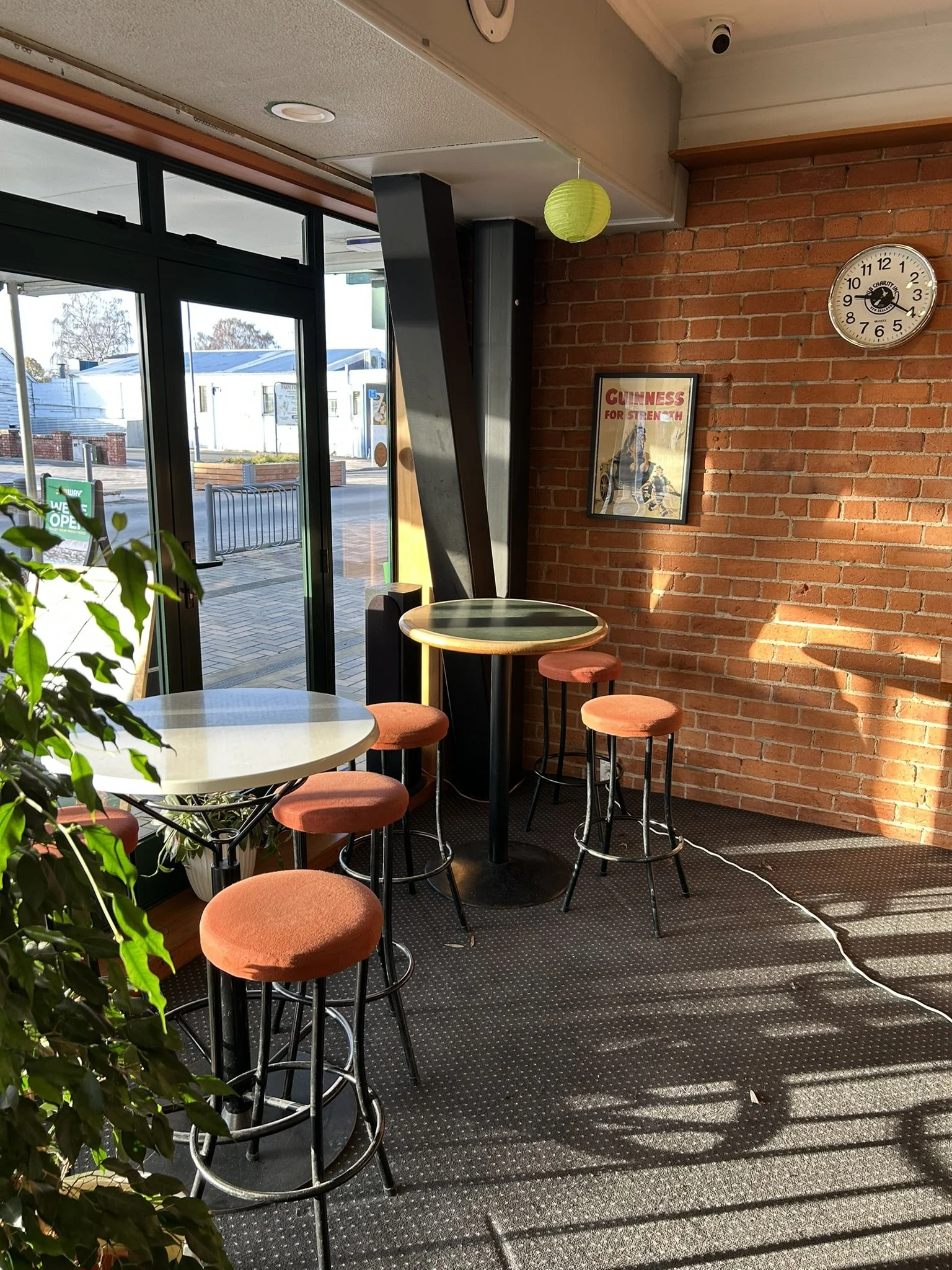
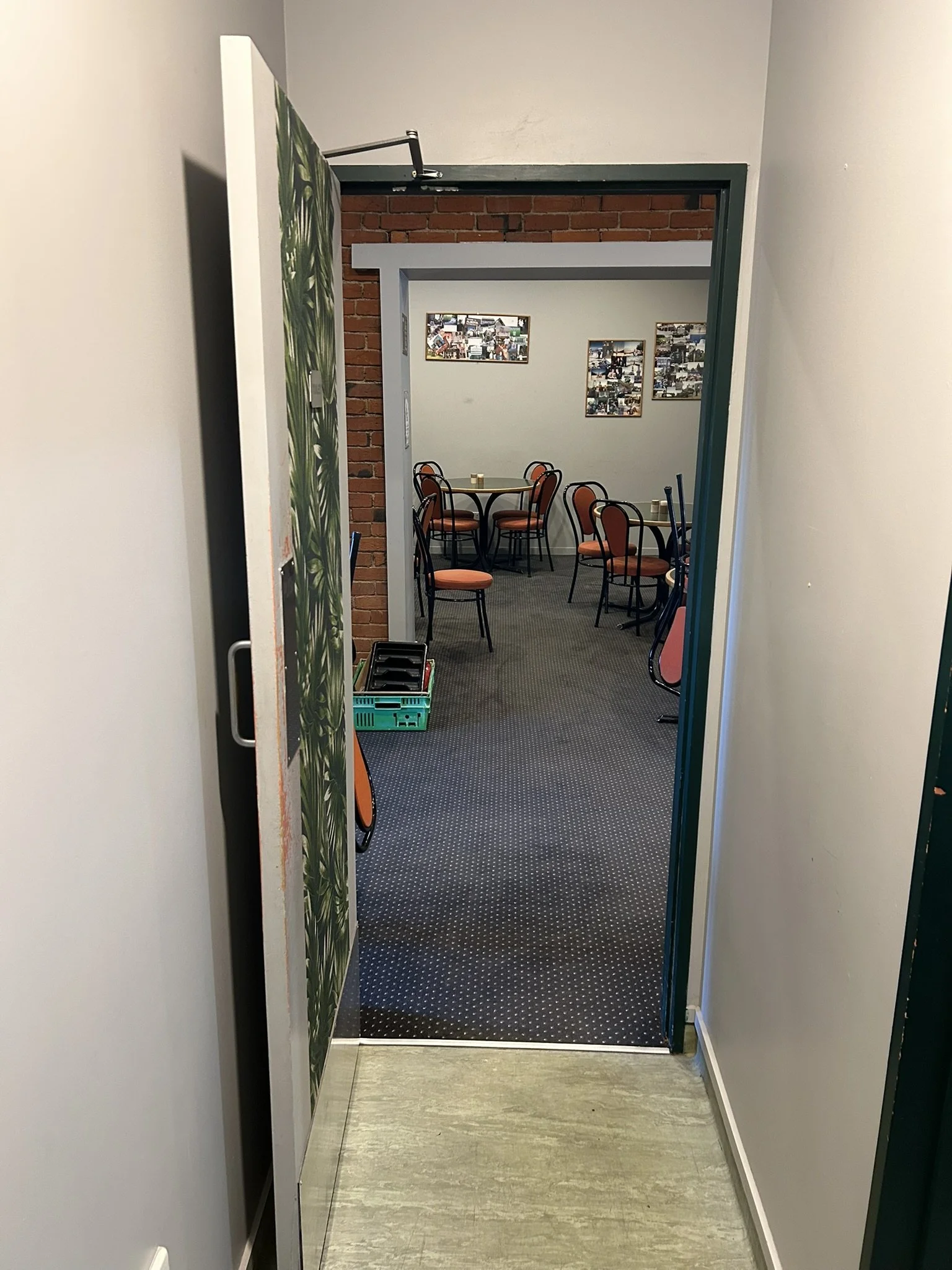
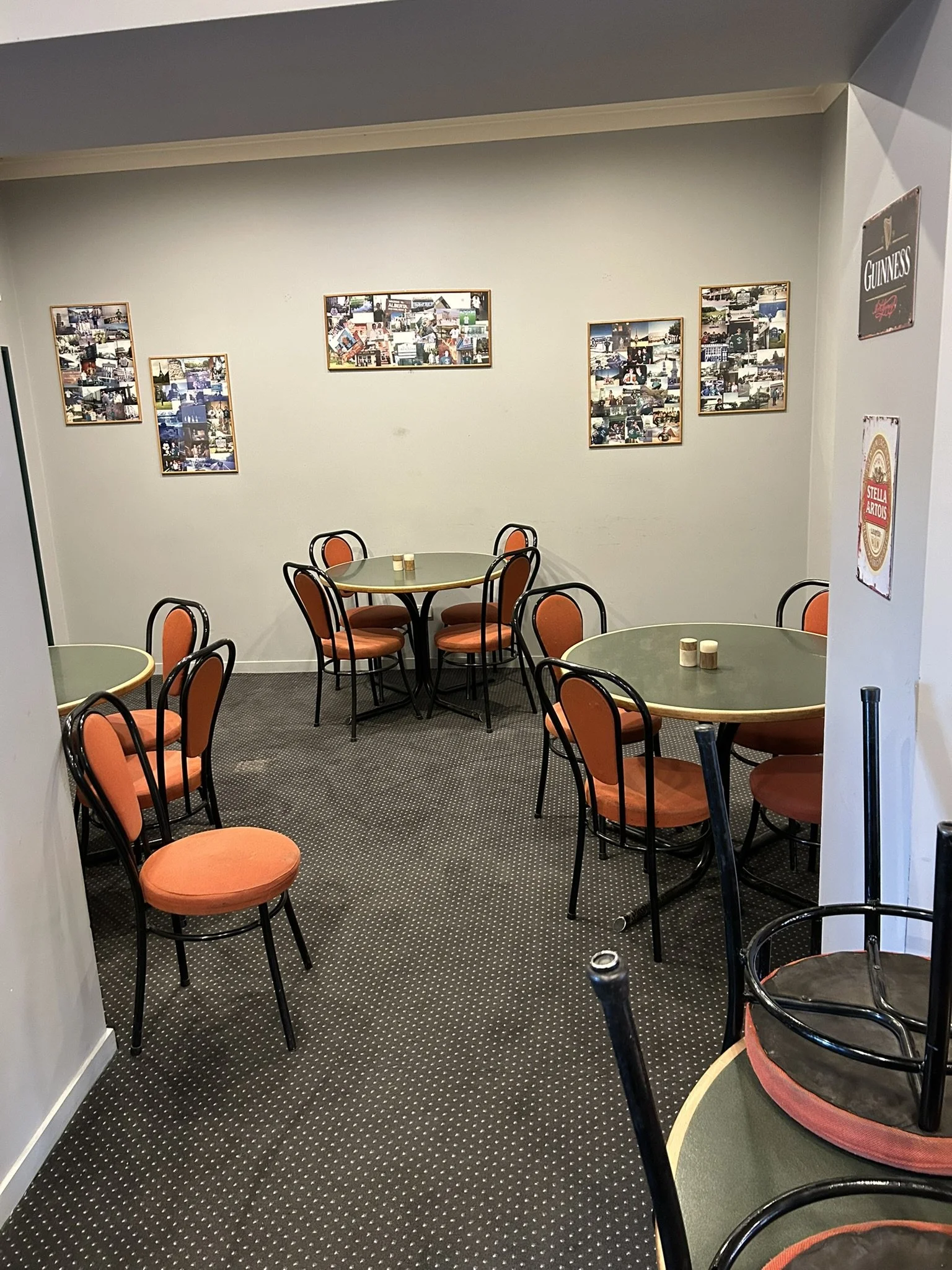
Hospitality spaces must balance beauty, practicality, and atmosphere, and this project brought those elements together. The design updates included:
Reorienting the dining layout to improve movement for staff
Introducing custom banquette seating to increase capacity and anchor the room
Installing layered lighting to shape ambience throughout the day
Using tiling, timber acoustic panelling, and colour to define zones without closing the space in
Enhancing flow between the interior, beer garden, and decking
The project had a tight 26-day deadline, and it was a pleasure collaborating with trade specialists including electricians, plumbers, builders, painters, tilers, and joiners. As each trade’s work impacted the next, clear communication and careful project management were crucial.
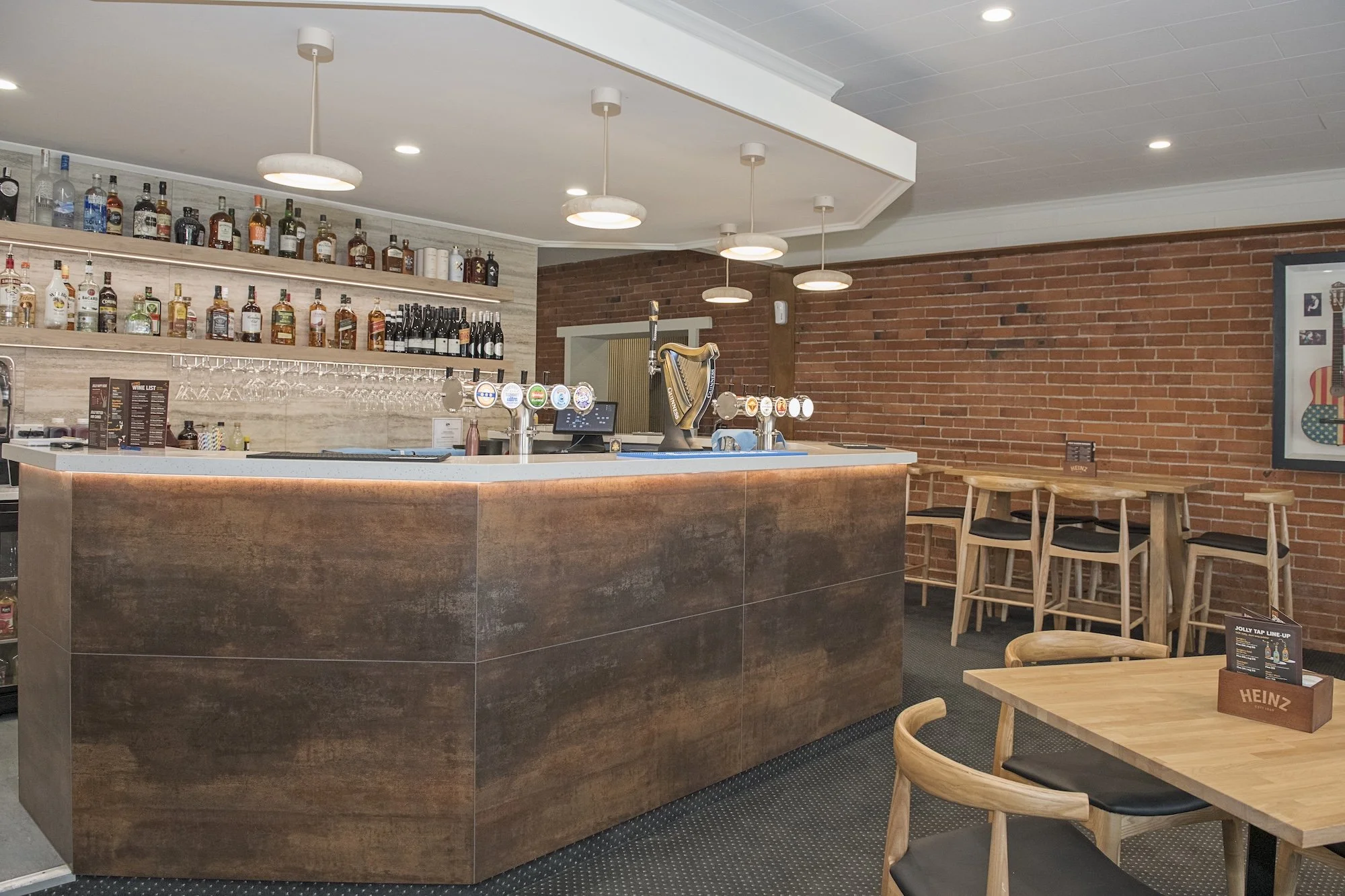
A great example of hospitality design in New Zealand, the result is a revitalised Jolly Burgers & Beers that honours its heritage while setting the business up for years to come. The tavern is once again buzzing with life, now with improved comfort, flow, and atmosphere for both guests and staff.
The new Jolly Burgers & Beers: An interior to match its new direction.


Trades:
Electrical, including sound & vision: Dan Turner at Smart Generation
Painting and finishes: Steve Turnbull Decorating
Plumbing: Aitkens Plumbing
Construction & carpentry: Paul Barrar
Bespoke joinery: Duncan Joinery
Tiling: Craig Woodnorth at Fine Floors